
High blood pressure and diabetes are two of the leading causes of death in the United States. In this blog post, we will explore the relationship between high blood pressure and diabetes and discuss ways to lower your risk of developing these conditions. We will also provide tips for managing high blood pressure and diabetes if you already have them. Stay safe and healthy!
According to the Centers for Disease Control and Prevention, about 1 in 3 adults have high blood pressure, and around 30 million Americans have diabetes. These conditions can significantly increase your risk of heart disease and other health complications. Fortunately, both high blood pressure and diabetes can be managed through lifestyle changes and medication if necessary. For example, following a healthy diet and exercising regularly are key strategies for managing high blood pressure.
If you have diabetes, taking medications as prescribed and monitoring your blood sugar levels are important ways to stay healthy. By making small changes to your lifestyle, you can lower your risk of developing these chronic conditions.
What are high blood pressure and diabetes
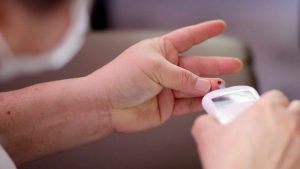
High blood pressure, also known as hypertension, is a condition in which the force of your blood against your artery walls is high enough that it may eventually cause health problems, such as heart disease. Diabetes is a condition that occurs when your body either doesn’t make enough insulin or can’t use its own insulin as well effectively. This causes sugar to build up in your bloodstream instead of being used for energy. Over time, if left untreated, diabetes can lead to serious complications, such as heart disease, stroke, and kidney disease.
While these two conditions may seem unrelated, they actually share a few key risk factors, such as obesity and a sedentary lifestyle. Additionally, high blood pressure is a common complication of diabetes. Therefore, it’s important for people with diabetes to monitor their blood pressure levels and take steps to keep them under control.
The symptoms of high blood pressure and diabetes
High blood pressure and diabetes are two conditions that can have serious consequences if left untreated. Both conditions can cause damage to the body’s organs and vessels, and both can lead to heart disease, stroke, and kidney failure. High blood pressure is often called the “silent killer” because it often has no symptoms. However, if left untreated, high blood pressure can damage the arteries, heart, brain, and kidneys. 
Diabetes is a condition that occurs when the body cannot properly regulate blood sugar levels. Symptoms of diabetes include excessive thirst, frequent urination, and extreme fatigue. If left untreated, diabetes can lead to serious health problems such as heart disease, stroke, kidney disease, and blindness. Early diagnosis and treatment of high blood pressure and diabetes are essential for preventing these serious complications.
How to prevent high blood pressure and diabetes
There are many risk factors for developing hypertension and diabetes, including genetics, aging, poor diet, and a sedentary lifestyle. However, many things can be done to prevent or delay the onset of these chronic conditions. For example, maintaining a healthy weight through exercise and healthy eating can help to reduce the risk of both hypertension and diabetes. Other lifestyle changes such as quitting smoking and reducing stress levels can also help to lower blood pressure. In addition, regular health checkups can help to identify risk factors early on so that preventive measures can be taken. By taking steps to reduce the risk of hypertension and diabetes, people can greatly improve their overall health and well-being.
Treatment for high blood pressure and diabetes
High blood pressure and diabetes are two conditions that often go hand in hand. Both conditions can lead to serious health complications, including heart disease, stroke, and kidney damage. Fortunately, there are effective treatments available for both high blood pressure and diabetes. By controlling blood sugar levels and keeping blood pressure within a healthy range, people with these conditions can reduce their risk of developing serious health problems. In addition, treatment can help to improve the quality of life for people with high blood pressure and diabetes by relieving symptoms and improving overall health. With the proper treatment, people with these conditions can enjoy a long and healthy life.
There are a variety of medicines available to treat high blood pressure and diabetes. Each patient will respond differently to each medication, so it is important to work closely with a healthcare professional to find the best treatment option. Some common medicines used to treat high blood pressure include ACE inhibitors, beta-blockers, and diuretics. These medications help to lower blood pressure by relaxing the arteries and reducing the amount of fluid in the body.

Commonly used diabetes medications include metformin, sulfonylureas, and insulin. Metformin helps to improve insulin sensitivity and lower blood sugar levels. Sulfonylureas work by increasing the amount of insulin secreted by the pancreas. Insulin is a hormone that helps to regulate blood sugar levels. By working with a healthcare professional, patients can find the best medication or combination of medications to treat their high blood pressure or diabetes.
Complications associated with high blood pressure and diabetes
High blood pressure puts extra strain on the heart, which can lead to diabetes. There are several complications associated with high blood pressure and diabetes. For example, people with these conditions are at increased risk for heart attacks and strokes. They may also experience kidney damage, blindness, and nerve damage. Fortunately, there are treatments available that can help to control blood sugar levels and blood pressure, reducing the risk of complications.
However, it is important to catch these conditions early so that treatment can be started as soon as possible.
Conclusion
High blood pressure and diabetes are two of the most common medical conditions in the United States. They can cause a variety of health problems if left untreated. However, there are many ways to prevent high blood pressure and diabetes, and there are also treatments available for those who have been diagnosed with these conditions. It is important to be aware of the symptoms of high blood pressure and diabetes so that you can get treatment if necessary. Additionally, it is important to live a healthy lifestyle in order to reduce your risk of developing these conditions.
References
1. DeGuire. (2019). Blood pressure and hypertension. Health Reports, 30(2). https://doi.org/10.25318/82-003-x201900200002
2. Sapra, A., & Bhandari, P. (2021, September 18). Diabetes Mellitus. Nih.gov; StatPearls Publishing. https://www.ncbi.nlm.nih.gov/books/NBK551501/